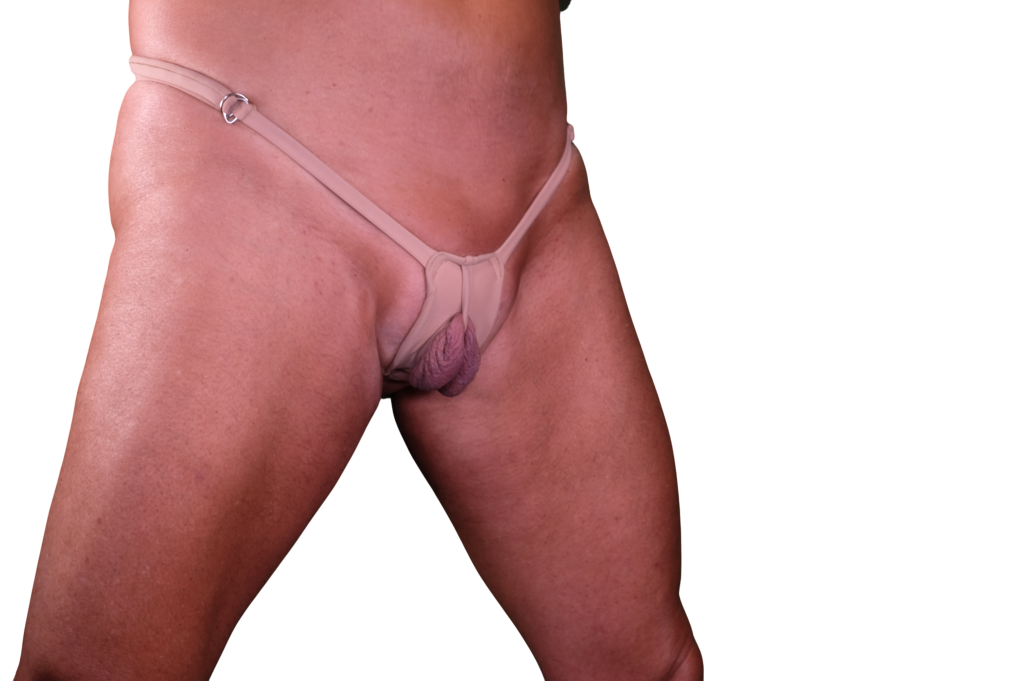
Fetish Spandex for Men and Women
The Appeal of Stretch Fabric, Body Expression, and Visual Fantasy
Spandex (also known as Lycra or elastane) has long been associated with swimwear, athletic gear, and fashion that celebrates the body. Over time, it has also developed a strong presence in fetish and expressive fashion communities—both for men and women—because of the way it clings, shapes, and highlights the human form.
This article explores how spandex functions as a visual and emotional form of self-expression, why it carries a strong fetish appeal for many people, and how both men and women use it to play with identity, confidence, and body presentation.
1. Why Spandex Became a Fetish Fabric
Spandex has several qualities that naturally lend themselves to fetish and fantasy aesthetics:
- Skin-tight compression that accentuates curves, contours, and anatomy
- Shiny or matte finishes that highlight body lines under light
- Stretch and flexibility, allowing minimal coverage designs
- Second-skin feeling that creates a heightened awareness of the body
Because of these traits, spandex blurs the line between clothing and body itself. For many people, that creates a psychological element—feeling both revealed and stylized at the same time.
2. Male Spandex Fetish Expression
Bulge, Compression, and Visual Styling
In men’s spandex fashion—especially swimwear, dancewear, or fetish-inspired pieces—there are two distinct visual directions that often appeal to different personalities and fantasies:
A. Enhancement and Display
Some men prefer designs that emphasize their anatomy and create a pronounced front profile. These styles often use:
- Contoured or shaped front pouches
- Structured seams that frame the anatomy
- Stretch tension that lifts and centers the body
The appeal here is confidence, visibility, and masculinity amplified through fabric. The garment becomes a visual frame.
B. Minimization and Smoothing
On the opposite end, many men are drawn to styles that compress, smooth, or minimize the front profile. These designs might:
- Use flat-front panels
- Apply extra compression to reduce outline
- Blend the front shape into a smooth silhouette
This aesthetic often connects with androgynous, feminine, or MTF-inspired styling, where the goal is a sleeker or softer appearance. It can also create a sense of control and intentional presentation of the body.
The Psychology Behind Both Styles
Both enhancement and minimization tap into similar emotional drivers:
- Control over appearance
- Curiosity about different gender expressions
- Confidence through body styling
- Playful identity experimentation
Spandex makes these transformations visually immediate and easy to explore.
3. Female Spandex Fetish Expression
Curves, Lines, and Visual Definition
For women, spandex fashion often focuses on curve accentuation and visual shaping. The fabric enhances natural body lines while also allowing for stylized silhouettes.
One of the most talked-about elements in tight spandex designs is the way the fabric can define the center seam and create a distinct front contour.
For many women, this is appealing because it:
- Emphasizes body symmetry
- Highlights hip-to-waist ratio
- Creates a sleek, sculpted appearance
In fashion photography, dancewear, and certain subcultures, this look is treated as a form of bold body confidence and sensual presentation.
4. The Role of Spandex in Gender Expression and Fantasy
Spandex has become an important material in gender-fluid, MTF, and feminization fashion spaces because it allows wearers to reshape and present their bodies in different ways without permanent change.
Men exploring feminine presentation may choose:
- Ultra-smooth front designs
- High-cut leg openings to emphasize hips
- Narrow waist silhouettes
Women exploring a more athletic or neutral look may choose:
- Compression suits
- Minimalist cuts
- Matte performance fabrics
The shared thread is that spandex becomes a tool for transformation and expression.
5. Public vs Private Wear
While fetish spandex fashion can be expressive and bold, people often choose different environments for wearing it:
- Private settings (home, partner spaces, photography)
- Beach or pool environments where minimal swimwear is normalized
- Fashion events or themed parties
- Fitness or dance contexts
The line between athletic wear, swimwear, and fetish wear is often blurred, especially in modern fashion where micro and form-fitting designs are becoming more mainstream.
6. Confidence, Body Positivity, and Self-Expression
At its core, spandex fetish fashion is about how people feel in their bodies:
- Some enjoy the feeling of being seen and admired
- Others enjoy the feeling of control and transformation
- Many appreciate the comfort and freedom of movement
- And others use it as a way to explore identity and self-image
For both men and women, the fabric becomes a canvas for personal expression.
7. The Growing Popularity of Extreme Minimalism
Across both men’s and women’s spandex fashion, there has been a noticeable trend toward:
- Smaller cuts
- Thinner side panels
- Higher leg lines
- More extreme shaping
This reflects a cultural shift toward body confidence, individuality, and expressive fashion where traditional rules are less important than personal comfort and identity.
Final Thoughts
Fetish spandex fashion for both men and women is not just about appearance—it is about how people choose to present themselves, how they explore their identity, and how they experience their own bodies.
From bold enhancement to subtle smoothing, from athletic styling to hyper-minimal designs, spandex offers a versatile medium for expression that blends fashion, psychology, and personal exploration.
Whether worn in private, at the beach, or as part of a performance or lifestyle, spandex remains one of the most powerful fabrics for those who want to feel, shape, and celebrate the human form in their own unique way.